7 Tips for Choosing the Best Solar Battery Pack?

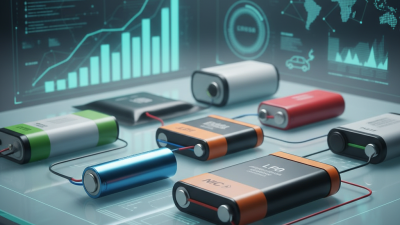
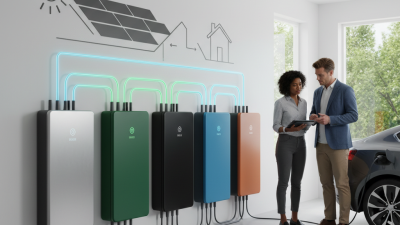
Choosing a solar battery pack is not simply a matter of finding the largest capacity. A dependable choice must match your solar panels, inverter, daily energy use, and local weather. A cabin battery facing winter temperatures needs different protection from a unit installed in a warm garage. Even small details matter, including usable capacity, depth of discharge, cycle life, charging speed, and safety certifications.

Dr. Imre Gyuk, a recognized energy-storage expert at the U.S. Department of Energy, has said, “Energy storage is the key to making renewable energy reliable.” His point gives this topic practical weight. Solar power changes by the hour. A battery helps bridge cloudy mornings, evening demand, and short outages. However, storage cannot fix every poorly designed system. That is an uncomfortable truth.

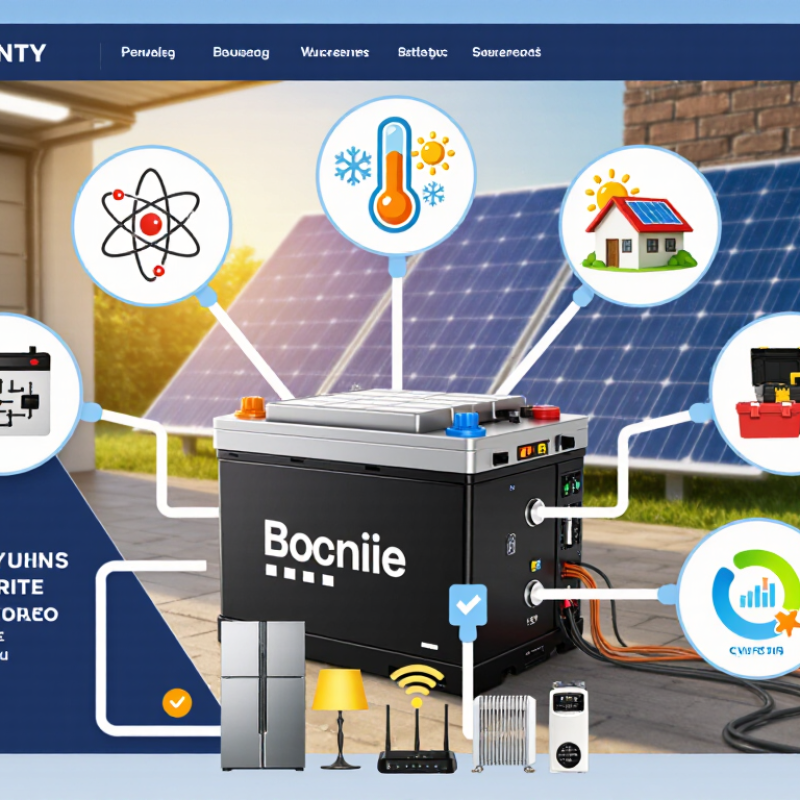
This guide introduces seven careful tips for choosing the best solar battery pack. It examines battery chemistry, especially lithium iron phosphate, alongside warranty terms, temperature limits, inverter compatibility, and installation requirements. It also considers real household behavior. A 5 kWh pack may suit lights, routers, and a refrigerator, but it may struggle with an electric heater. Manufacturer capacity figures can look impressive. They may not show the energy actually available after reserve limits and conversion losses.

Reliable decisions require more than marketing claims. Compare independent test data, certification records, warranty language, and installer experience. Check whether the app shows battery health clearly. Confirm replacement support before purchasing. No guide can predict every outage or cloudy season. Still, these seven tips can reduce expensive mistakes and make your solar battery pack a safer, more useful part of your energy system.
7 Tips for Choosing the Best Solar Battery Pack?

Understanding Your Energy Needs and Solar Battery Pack Capacity

7 Tips for Choosing the Best Solar Battery Pack

Understanding your household load is the real starting point. A battery should match your evening demand, not your roof size. The U.S. Energy Information Administration reported average residential electricity use near 899 kWh monthly in 2023. That equals roughly 30 kWh daily, but homes vary sharply. Record daytime appliances, heating, cooling, and backup circuits for seven days. Short gaps matter.

Estimate the energy required during outages or after sunset. If essential loads consume 8 kWh overnight, a 10 kWh battery may provide only about 8.5 kWh of usable energy. NREL’s Storage Futures Study notes that round-trip efficiency commonly reduces stored electricity by roughly 10% to 20%. Check usable capacity, not advertised capacity. Also inspect continuous power output. A battery may store enough energy but fail when a pump and refrigerator start together.

The IEA reported global battery-storage additions reached about 42 GW in 2023, nearly tripling from the previous year. That growth improves technical options, but it can encourage oversized purchases. My first capacity estimate was too optimistic because standby loads were ignored. I would add a modest reserve, perhaps 10% to 20%, for cold weather, aging, and cloudy days. Still, this is not a perfect formula. Installer measurements and local solar production data deserve more trust than a quick online calculator.

Comparing Battery Chemistry, Lifespan, and Safety Features

7 Tips for Choosing the Best Solar Battery Pack

Battery chemistry determines more than storage capacity. Lithium iron phosphate (LFP) generally offers strong thermal stability and long cycle life, while nickel-manganese-cobalt chemistry provides higher energy density. The U.S. Department of Energy’s Energy Storage Grand Challenge Roadmap identifies lithium-ion systems as the dominant technology, but it also highlights recycling, safety, and material supply challenges. Lead-acid batteries cost less initially, yet their usable capacity and cycle life are usually lower. Sodium-ion technology is promising, although its field record remains limited.

Check lifespan under realistic conditions, not only the advertised cycle number. Depth of discharge, heat, charging speed, and standby time all affect degradation. NREL’s 2024 Annual Technology Baseline reports that battery storage costs and performance vary significantly by duration and application. A pack rated for 6,000 cycles may age faster in a hot garage with daily full discharges. Aim for a usable capacity near your needs, with some reserve. Oversizing can reduce stress, but it also increases cost.

Safety deserves equal attention. Look for battery management systems, temperature monitoring, overcurrent protection, and independent testing such as UL 9540A. NFPA 855 provides installation guidance for stationary energy storage systems. Keep the unit away from bedrooms, combustible materials, and flood-prone spaces. The uncomfortable truth: no chemistry is risk-free. A certified enclosure can matter more than a glossy capacity figure. My own buying checklist would still include installer quality, warranty wording, and local maintenance support. Small details are often missed.

7 Tips for Choosing the Best Solar Battery Pack? - Comparing Battery Chemistry, Lifespan, and Safety Features

Battery Chemistry Typical Usable Depth of Discharge Typical Cycle Life* Round-Trip Efficiency Safety Characteristics Temperature Considerations Maintenance and Installation Best-Fit Applications
Lithium Iron Phosphate (LiFePO4) 80–100% About 3,000–7,000 cycles Approximately 90–98% Excellent thermal stability and low risk of thermal runaway compared with nickel-rich lithium chemistries. A battery-management system is essential. Charging below 0°C can cause permanent damage unless the pack has low-temperature protection or heating. Low maintenance; requires a compatible charger, inverter, and certified battery-management system. Daily solar cycling, residential backup, off-grid cabins, and mobile power systems.
Lithium Nickel Manganese Cobalt Oxide (NMC) 80–90% About 1,500–4,000 cycles Approximately 90–97% High energy density, but more sensitive to overheating, overcharging, and physical damage than LiFePO4. Robust protection circuitry is required. Charging below 0°C is generally restricted. High temperatures accelerate capacity loss and aging. Low maintenance, compact design, and precise battery-management controls required. Space-limited installations, portable solar generators, and applications prioritizing low weight.
Absorbent Glass Mat Lead-Acid (AGM) 50% recommended for long service life; up to about 80% for occasional use About 500–1,200 cycles at moderate discharge Approximately 75–85% Sealed and non-spillable under normal operation, but charging can produce hydrogen gas if the battery is overcharged. Install with ventilation and overcurrent protection. Capacity falls in cold weather; high temperatures significantly shorten service life. Heavy and less energy-efficient; use a correctly configured charge controller and provide secure mounting. Lower-cost backup systems, infrequently used solar installations, and moderate power demands.
Gel Lead-Acid 50% recommended for long service life; up to about 70–80% for occasional use About 700–1,500 cycles at moderate discharge Approximately 70–85% Sealed and spill-resistant, but highly sensitive to overcharging. Excessive voltage can permanently damage the gel electrolyte. Performance declines in cold conditions; high ambient temperatures reduce lifespan. Low routine maintenance, but charging voltage must match the manufacturer’s gel-battery specification. Small off-grid systems, telecommunications backup, and installations where spill resistance is important.
Sodium-Ion Typically 80–90% Commonly about 2,000–5,000 cycles, depending on cell design Approximately 85–95% Uses abundant sodium-based materials and generally offers good thermal stability. The complete pack still needs certified protection and monitoring. Some designs tolerate cold conditions better than lithium-ion, but the specified charging and operating limits must still be followed. Low maintenance; verify inverter compatibility, communication protocols, and approved charging limits. Stationary storage where material availability, cold-weather performance, and safety are priorities.

*Cycle-life figures are typical industry ranges rather than guarantees. Actual results depend on discharge depth, operating temperature, charge rate, storage conditions, installation quality, and battery-management settings. Compare usable watt-hours, not only the battery’s nominal capacity.

Checking Compatibility with Your Solar Power System

Choosing a solar battery pack starts with compatibility, not capacity. Check the system’s voltage, current limits, inverter type, and communication method. A battery may store energy, yet still fail with an incompatible inverter. The IEA reported that global battery demand reached about 750 GWh in 2023, growing 40% from the previous year. More choices exist, but matching remains essential.

Tip:

Read the inverter manual carefully. Confirm whether it supports AC-coupled or DC-coupled storage. Check the battery’s usable capacity, continuous power, surge rating, and operating temperature. These details affect evening loads, pump starts, and winter performance. I would not trust a battery merely because its voltage looks similar. That shortcut can create nuisance shutdowns.

Tip:

Check safety and certification requirements. Look for documented testing, installation guidance, and protection against overcharge and overheating. The U.S. National Renewable Energy Laboratory notes that battery performance depends on temperature, cycling, and system controls. A garage can become very hot. A shaded outdoor cabinet behaves differently. Review warranty conditions, too, especially allowed cycles and minimum state of charge. One overlooked setting may reduce usable energy. Use an installer or qualified electrician when wiring changes are required. It is easy to underestimate that part.

Evaluating Charging Performance, Efficiency, and Backup Power

Choosing the best solar battery pack starts with its charging performance, not its advertised capacity. Check the maximum solar input, charging voltage, and supported connector type. A large battery may charge slowly under weak sunlight.

Compare charging time under realistic conditions, such as cloudy weather and partial roof shade. Also examine whether the pack accepts power from both solar panels and a household outlet. That flexibility matters during changing weather. Fast charging can generate more heat, so look for thermal protection and clear operating temperature limits. The numbers deserve scrutiny.

Efficiency determines how much stored energy actually reaches your devices. Review the round-trip efficiency rating, which includes energy lost during charging and discharge. A pack rated at 90% efficiency will not deliver its full stated capacity. In practice, inverter losses, cable resistance, and standby use reduce available power further. Measure the output with a watt meter if possible. Small tests reveal uncomfortable details.

Backup power requires more than capacity. Check continuous output, surge capability, and the number of usable outlets. A refrigerator may need extra startup power, while a phone charger needs very little. Confirm the battery can support essential devices simultaneously. Runtime estimates should use usable watt-hours, not the headline figure. I would leave a safety margin instead of planning for exact limits. Monitoring software can show load, temperature, and remaining charge, but its readings may not be perfectly accurate. That imperfection matters during an outage. A practical choice balances charging speed, efficiency, and dependable backup power for the equipment you actually use.

Balancing Installation Costs, Warranty Coverage, and Long-Term Value

7 Tips for Choosing the Best Solar Battery Pack?

Installation cost is only the opening figure. Ask whether the quote includes wiring, protection equipment, permits, labor, and commissioning. A low price may hide extra work. Request a room-by-room load review, not a guess based on monthly bills. Battery size should match evening demand, backup priorities, and solar production. Oversizing wastes money, while undersizing may leave lights and refrigeration unsupported.

Compare usable capacity, round-trip efficiency, expected cycle life, and temperature limits. A battery with impressive advertised capacity may deliver less usable energy after reserve settings. Check the warranty carefully. Look for coverage years, energy throughput limits, retained capacity, labor terms, and transfer conditions. These details matter more than a large headline number. Read the exclusions. They often explain the real risk.

Long-term value also depends on monitoring, maintenance access, replacement parts, and installer qualifications. Ask who handles a fault after several years. Verify safety certifications and local installation requirements through qualified professionals. I would also calculate cost per usable kilowatt-hour over the expected service period, rather than comparing purchase prices alone. My own comparison would still include uncertainty, because electricity rates, weather, and household demand change. That is not a flaw in the method; it is a reason to test several realistic scenarios. A spreadsheet can guide the decision, but it cannot inspect a noisy inverter or a cramped utility room.