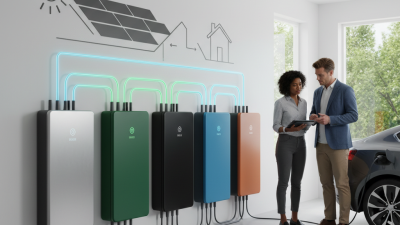
Choosing among the best solar energy storage batteries in 2026 requires more than comparing advertised capacity. A battery may show 10 kWh on its label, yet deliver less usable energy after reserve limits, inverter losses, and temperature effects. The right choice depends on your roof, daily demand, backup goals, utility rules, and installation conditions.
The International Energy Agency reported that global battery storage additions more than doubled in 2023, reaching about 42 GW. Its Batteries and Secure Energy Transitions report also expects battery demand to grow sharply through 2035. BloombergNEF has documented continuing cost declines, but falling prices do not guarantee better value. Warranty terms, degradation limits, round-trip efficiency, usable capacity, and replacement support matter more than a bright product brochure.
Jason Burwen, a former chief executive of the U.S. Energy Storage Association, describes energy storage as “the Swiss Army knife of the electricity system.” That image fits residential systems. A battery can shift midday solar into evening cooking, protect a refrigerator during an outage, or reduce peak-hour grid use. It cannot do everything equally well.
Not every home needs the largest battery.
This guide compares leading solar energy storage batteries using technical specifications, field experience, safety documentation, warranty conditions, and independent research. Lithium iron phosphate chemistry often offers strong cycle life and thermal stability, but installation quality still matters. A perfect ranking is impossible. Prices change, software improves, and local installers differ widely. Readers should verify current certifications, compatibility, and service coverage before buying.

Solar energy storage batteries keep electricity from sunny hours for later use. Solar panels generate direct current, but most household appliances use alternating current. An inverter manages this conversion. The battery stores energy chemically, then releases it when demand rises or sunlight disappears.
A battery management system monitors voltage, temperature, and charge levels. It helps prevent overheating and unsafe overcharging. Many current systems use lithium iron phosphate cells because they offer stable performance and long cycle life. However, no battery lasts forever. Capacity gradually falls, especially in hot rooms or under frequent deep discharges. A shaded, ventilated installation area matters more than many buyers expect.
When comparing storage batteries in 2026, check usable capacity rather than the advertised total capacity. Also examine power output, round-trip efficiency, warranty terms, operating temperature, and emergency backup capability. A ten-kilowatt-hour battery may not run a large air conditioner for long. It could support lights, a refrigerator, internet equipment, and selected outlets overnight. That depends on household loads.
Some systems connect to the solar panels before the inverter, while others connect after it. The right design depends on whether the home already has solar equipment. I have seen sizing mistakes caused by guessing daily consumption instead of reading utility data. That shortcut can waste money. Battery performance also changes with age, weather, and charging habits. A professional load assessment remains useful, even when online calculators look convincing.
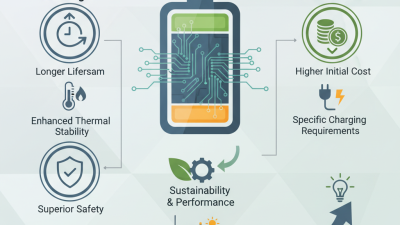
When comparing the 10 best solar energy storage batteries to buy in 2026, start with battery chemistry. Lithium-ion batteries remain common in home solar systems because they store substantial energy in a compact cabinet. Lithium iron phosphate, or LFP, usually offers strong thermal stability and long cycle life. Nickel manganese cobalt batteries can deliver high energy density, but they require careful temperature and safety management. Neither option is perfect.
Lead-acid batteries cost less upfront and use familiar technology. However, they are heavier, need more ventilation, and often tolerate fewer deep cycles. They may suit a backup system with occasional use, rather than daily solar shifting. Flow batteries use liquid electrolytes in external tanks. Their long service potential is attractive, but their size and installation complexity can limit residential use. Sodium-ion systems are also gaining attention, especially where lower-cost materials matter. Availability and installer experience remain uneven.
A practical comparison should examine usable capacity, not only the advertised capacity. A 10 kWh battery may provide less after reserve limits and conversion losses. Check round-trip efficiency, depth of discharge, operating temperature, warranty terms, and emergency shutdown features. The inverter must also match the battery’s voltage and communication requirements. A shaded garage can be suitable, but excessive heat still reduces performance. Do not choose by price alone. A neat spreadsheet can mislead. Household evening demand, roof generation, and local grid rules may change the better choice.
Lithium iron phosphate batteries provide a strong balance of efficiency, usable capacity, safety, and cycle life for many homes. Lithium nickel manganese cobalt batteries are compact and efficient, while lead-acid systems generally have lower usable depth of discharge. Sodium-ion and flow batteries are emerging alternatives with different performance and cost characteristics. Values shown are representative industry ranges expressed as typical midpoints, not manufacturer or brand ratings.
Comparing the 10 best solar batteries in 2026 requires more than checking capacity or a low advertised price. Start with usable energy, continuous power, round-trip efficiency, warranty length, and expected degradation. NREL’s 2024 Annual Technology Baseline uses about 85% round-trip efficiency for utility-scale battery systems, but household results vary with temperature, inverter losses, and installation quality. Ask whether the battery can run a refrigerator, pump, or medical device during an outage. Peak power alone can look impressive.
Cost deserves careful testing. Divide the installed price by usable kilowatt-hours, then estimate annual cycling and electricity savings. The IEA’s Batteries and Secure Energy Transitions report notes that battery pack prices fell 14% in 2023, although home-system prices include inverters, labor, permitting, and safety equipment. Those extra costs can change the ranking quickly. Do not compare a battery-only quote with a fully installed system.
A practical scorecard should weight safety, usable capacity, power, efficiency, warranty coverage, monitoring, and service response. I would also test performance at cold temperatures and partial charge, where specifications often become less clear. Read the warranty carefully. Does it cover capacity after ten years, or only manufacturing defects? A larger battery is not always better. Oversizing can leave stored energy unused, while undersizing may cause frequent grid purchases. The “best” choice remains partly personal. My comparison could still miss local labor quality, which is frustrating but important.
10 Best Solar Energy Storage Batteries to Buy in 2026?
Key Factors: Capacity, Efficiency, Lifespan, Safety, and Cost
Choosing a solar battery starts with usable capacity, not the advertised number. A 10 kWh battery may provide less after reserve limits and conversion losses. Measure the load. A refrigerator, router, lights, and medical equipment need different backup planning than air conditioning. Check continuous output, peak output, and whether the system can expand later. Oversizing wastes money, while undersizing causes frequent grid dependence.
Round-trip efficiency shows how much stored electricity returns to your home. Higher efficiency usually means less energy disappears during charging and discharging. However, efficiency can change with temperature, power level, and battery age. Lifespan also deserves careful reading. Compare expected cycles, annual capacity retention, and warranty conditions. A battery rated for ten years may perform differently under daily deep cycling. That surprised me during system planning.
Safety depends on chemistry, thermal controls, enclosure design, installation quality, and recognized electrical certifications. Keep the unit away from flooding, extreme heat, and blocked ventilation. Safety comes first. Cost should include installation, monitoring equipment, maintenance, financing, and possible replacement parts. Dividing total ownership cost by usable kilowatt-hours gives a fairer comparison than comparing purchase prices alone. I would also request local service response times and written warranty exclusions. Cheap storage can become expensive when support is slow. No battery wins every category.
| Rank | Representative Battery Configuration | Best Use Case | Usable Capacity | Round-Trip Efficiency | Expected Life | Safety Profile | Estimated Installed Cost | Overall Value |
|---|---|---|---|---|---|---|---|---|
| 1 | Residential LFP Modular System Low-voltage or high-voltage lithium iron phosphate modules |
Daily solar self-consumption and evening peak reduction | 10–20 kWh | 88–95% | 10–15 years 4,000–7,000 cycles |
Very high | $700–$1,100/kWh | Excellent |
| 2 | High-Voltage LFP Stack Scalable modular architecture with integrated battery management |
Larger homes requiring higher charge and discharge power | 15–40 kWh | 90–97% | 12–18 years 5,000–8,000 cycles |
Very high | $650–$1,050/kWh | Excellent |
| 3 | Compact LFP Backup Battery Small wall-mounted or floor-standing storage unit |
Essential-load backup for apartments and small homes | 5–10 kWh | 88–94% | 10–15 years 4,000–6,000 cycles |
Very high | $800–$1,300/kWh | Very good |
| 4 | Long-Duration Flow Battery Aqueous electrolyte system with separated power and energy components |
Frequent cycling, microgrids, and long-duration renewable storage | 20–100+ kWh | 65–85% | 15–25 years 10,000–20,000 cycles |
Extremely high | $500–$1,200/kWh | Best for longevity |
| 5 | Sodium-Ion Residential Battery Emerging chemistry designed for lower-cost stationary storage |
Cost-sensitive stationary applications and moderate climates | 5–15 kWh | 80–92% | 8–15 years 3,000–6,000 cycles |
High | $500–$900/kWh | Good emerging option |
| 6 | Second-Life EV Battery System Repurposed electric-vehicle battery modules for stationary use |
Budget-conscious backup where certification and monitoring are available | 10–50 kWh | 80–92% | 5–12 years 2,000–5,000 cycles |
Depends on condition | $350–$750/kWh | Good budget choice |
| 7 | High-Power NMC Battery Nickel-manganese-cobalt lithium-ion system optimized for compact power delivery |
Space-limited installations needing high power density | 5–20 kWh | 90–96% | 8–12 years 2,500–5,000 cycles |
Requires strong thermal control | $750–$1,300/kWh | Good for compact sites |
| 8 | Outdoor-Rated LFP Cabinet Weather-resistant enclosure with integrated cooling and fire protection |
Outdoor residential, agricultural, and light-commercial installations | 20–60 kWh | 88–95% | 12–18 years 5,000–8,000 cycles |
Very high | $600–$1,000/kWh | Best for harsh environments |
| 9 | AC-Coupled Retrofit Battery Battery with a dedicated inverter for existing solar installations |
Adding storage to an already-installed photovoltaic system | 10–30 kWh | 82–92% | 10–15 years 4,000–7,000 cycles |
High | $800–$1,400/kWh | Best for retrofits |
| 10 | Commercial LFP Energy-Storage Rack Large-format rack system with monitoring, protection, and thermal management |
Small businesses, peak shaving, and commercial backup power | 100–500 kWh | 88–95% | 10–20 years 5,000–8,000 cycles |
Very high | $300–$700/kWh | Best commercial value |
Note: Figures are typical 2026 market ranges for complete storage systems and may vary with installation conditions, inverter type, climate, local labor, permitting, and warranty terms. Cycle-life estimates assume operation within the manufacturer’s recommended temperature and depth-of-discharge limits.
Choosing the right solar battery begins with your daily energy pattern, not its advertised capacity. A household using 8 kWh overnight may not need a 15 kWh system. Check usable capacity, discharge limits, round-trip efficiency, warranty terms, and temperature performance. A 10 kWh nameplate battery may deliver less after reserve settings and conversion losses.
Small homes or apartments often need 5–10 kWh for lights, refrigeration, internet equipment, and medical devices. A larger household may need 10–20 kWh, especially during evening cooking and water heating. Backup priorities matter. Some systems support only selected circuits, while others can power most household loads. Test your actual demand with smart-meter data. Estimates can be surprisingly wrong.
Off-grid properties usually require more storage, solar panels, and a backup charging plan for cloudy periods. Battery chemistry also affects safety, lifespan, weight, and installation space. Lithium iron phosphate options generally offer strong cycle life, but local installers must confirm ventilation, clearances, wiring, and electrical-code compliance. Expandable systems suit growing families, though future expansion may not match older modules perfectly. I have seen oversized batteries remain half-empty through mild seasons, while undersized units cycle hard during winter. That trade-off deserves honest calculation. A qualified installer should model seasonal production, peak loads, outage duration, and available roof space before recommending a battery.