China Top 10 Battery Energy Innovations Transforming the Future?
In the rapidly evolving landscape of battery energy, innovations are redefining our future. Leading expert Dr. Li Wei, a prominent figure in energy storage technology, stated, "The future of battery energy lies in our ability to innovate sustainably." This insight underscores the critical role of advancements in battery technologies.
China is at the forefront of these innovations, with significant investments pouring into research and development. The push for electric vehicles and renewable energy sources is driving breakthroughs. Companies are exploring new materials, enhancing battery performance, and reducing environmental impact.
However, there are challenges to address. The production of batteries raises questions about sustainability. Issues such as resource extraction and recycling practices need thoughtful consideration. As the industry progresses, a delicate balance between innovation and responsible practices must be maintained in the pursuit of battery energy solutions.
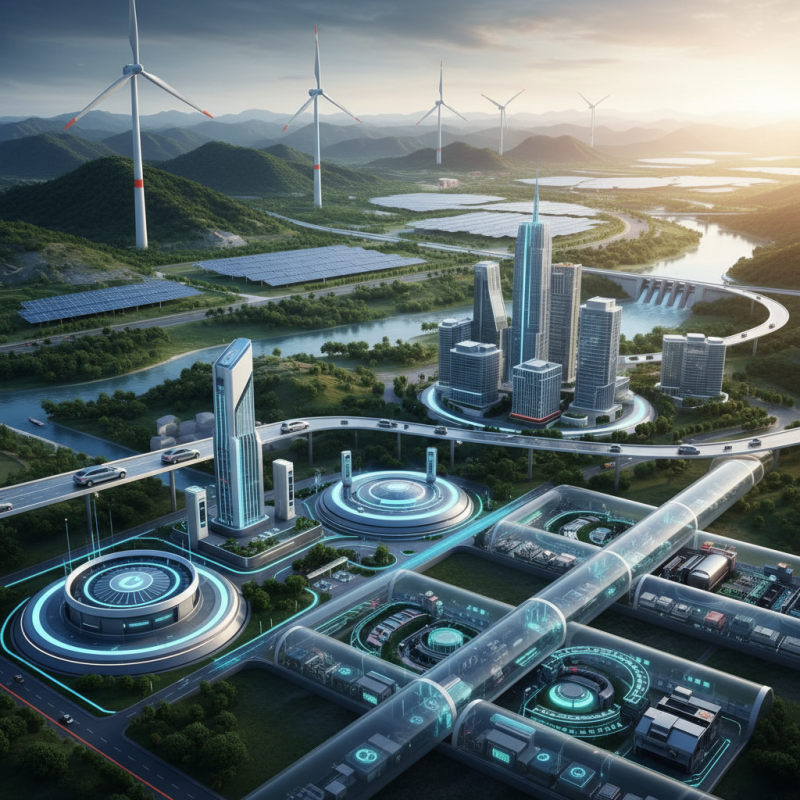
China's Leading Battery Technologies: An Overview of Innovations
China is emerging as a powerhouse in battery technology innovations. Recent reports indicate that the country holds nearly 70% of the global market share for lithium-ion batteries. This dominance is fueled by advancements in energy density, longevity, and safety features. For example, Chinese researchers have developed batteries with energy densities exceeding 300 Wh/kg, significantly improving electric vehicle (EV) capabilities.
Battery recycling processes are also gaining attention. A study from the China Materials Research Society revealed that new recycling methods can recover over 95% of valuable materials. This not only addresses environmental concerns but also enhances sustainability in battery production. The commitment to innovation is evident in the rapid growth of the battery market, projected to reach $400 billion by 2025.
Tip: Keep an eye on emerging technologies, such as solid-state batteries. They promise higher energy density and safety.
However, challenges still exist. The supply chain for raw materials, like lithium and cobalt, poses risks. Prices can fluctuate significantly, impacting production costs. Additionally, the environmental impact of extraction methods is under scrutiny. These factors present opportunities for improvement and the need for long-term solutions.
Tip: Consider exploring local sources for materials to mitigate supply chain vulnerabilities.
The Rise of Solid-State Batteries in China: Advantages and Challenges
The rise of solid-state batteries in China marks a pivotal moment in energy innovation. These batteries promise higher energy density and improved safety compared to traditional lithium-ion options. Their use of solid electrolytes significantly reduces the risk of leakage and flammability. This shift could revolutionize electric vehicles and consumer electronics. However, the technology is still in its early stages.
Manufacturers face several challenges. Solid-state batteries can be expensive to produce. This high cost limits their widespread adoption. Additionally, issues like scalability and battery lifecycle performance need more research. Polishing these aspects will require collaboration among scientists, engineers, and industry leaders. The journey toward mainstream solid-state battery technology is impressive yet imperfect.
Despite the hurdles, optimism remains high. China is pouring resources into research and development. Innovation is happening rapidly in laboratories across the nation. As challenges are addressed, the market potential for solid-state batteries could explode. This transformation may offer cleaner energy solutions for the future.
Revolutionizing Energy Storage: Lithium-Sulfur Battery Developments
The lithium-sulfur battery is a game-changer for energy storage. This technology offers a higher energy density compared to traditional lithium-ion batteries. Scientists are exploring sulfur as a cathode material, tapping into its natural abundance and low cost. The potential increase in capacity could lead to lighter, smaller batteries for electric vehicles.
However, challenges remain. The lifespan of lithium-sulfur batteries is currently limited due to polysulfide dissolution. This phenomenon can cause capacity fading over time. Researchers are focused on finding solutions to enhance cycle stability. Effective methods include specialized coatings and adjusting the electrolyte composition.
Moreover, there's a need for scalability. While lab results are promising, mass production techniques must be refined. Addressing these issues is crucial for the widespread adoption of lithium-sulfur technology. The journey is fraught with obstacles, but the potential rewards are immense. The future of energy storage could hinge on overcoming these hurdles.
China Top 10 Battery Energy Innovations Transforming the Future
| Innovation |
Energy Density (Wh/kg) |
Cycle Life (Cycles) |
Charging Time (Hours) |
Advantages |
| Lithium-Sulfur Battery |
500 |
1000 |
2 |
High capacity, lightweight, and cost-effective |
| Solid-State Battery |
300 |
3000 |
1 |
Enhanced safety and energy density |
| Sodium-Ion Battery |
150 |
2000 |
3 |
Abundant materials, lower cost |
| Graphene Battery |
400 |
2500 |
0.5 |
Ultra-fast charging and high conductivity |
| Lithium Iron Phosphate Battery |
140 |
2000 |
1.5 |
Long cycle life and thermal stability |
| Lithium Titanate Battery |
100 |
10000 |
0.5 |
Excellent power output and safety |
| Nickel-Manganese-Cobalt Battery |
250 |
1500 |
1.5 |
Balanced performance and safety |
| Flow Battery |
100 |
5000 |
2 |
Scalable and long-lasting storage |
| Organic Battery |
200 |
1500 |
1 |
Environmental friendliness and sustainability |
| Aluminium-Air Battery |
800 |
200 |
4 |
High energy density and low cost |
The Role of Recycling in Sustainable Battery Production in China
In recent years, China has made significant strides in battery energy innovations. A key aspect of this evolution is recycling. The production and disposal of batteries raise environmental concerns. Recycling offers a solution to reduce waste and conserve resources.
The process begins with the collection of used batteries. They are then disassembled, and valuable materials, such as lithium, cobalt, and nickel, are extracted. This not only minimizes the need for new raw materials but also lessens the environmental footprint of battery production. However, challenges remain. Efficient recycling technologies are still being developed. High costs and complex logistics can hinder large-scale adoption.
Moreover, public awareness of battery recycling is low. Many consumers are unaware of proper disposal methods. Education and incentivization are crucial. By addressing these gaps, China can enhance its recycling efforts. A focus on sustainable practices will help shape a cleaner energy future, benefiting both the economy and the environment.
China's Contribution to Global Battery Innovation: Trends and Future Directions
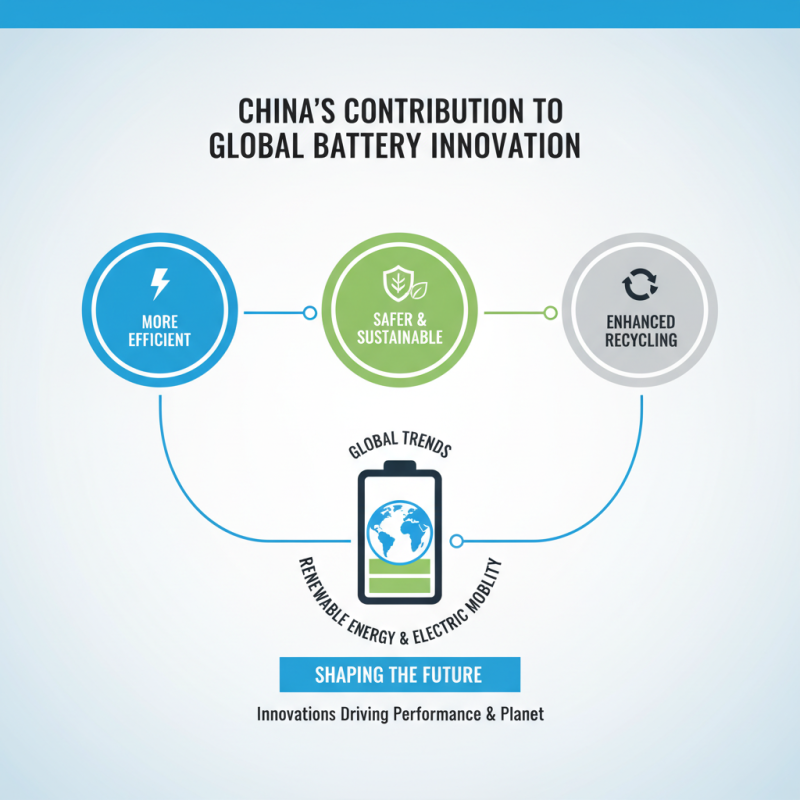
China is rapidly becoming a leader in battery energy innovation. Its advancements are shaping global trends in renewable energy and electric mobility. The focus is on developing more efficient, safer, and sustainable battery technologies. Innovations are not only improving performance but also enhancing recycling efforts.
One notable trend is the push towards solid-state batteries. These batteries offer higher energy density and longer life cycles compared to traditional lithium-ion systems. Researchers are experimenting with various materials to increase safety and performance. However, scalability remains a challenge.
**Tip:** Embrace the latest innovations, but investigate their practical applications in your area.
Moreover, companies are exploring alternative materials to address lithium scarcity. Sodium-ion and magnesium-ion batteries are gaining traction. They promise to reduce environmental impact. The technology's reliability and cost-effectiveness still require thorough assessment.
**Tip:** Consider the environmental implications of battery production when evaluating new technologies.
As China leads in battery tech, collaboration with global partners becomes crucial. It’s essential to share knowledge to fully realize the potential of new advancements. However, the fast pace of innovation raises concerns about sustainability and long-term impacts. Balancing progress with responsibility will be vital for our energy future.