How to Extend Battery Power for Your Devices and Improve Longevity?
In today's tech-driven world, battery power is a critical concern for all device users. According to Dr. Jane Harper, a renowned battery technology expert, "Maximizing battery power isn't just about efficiency; it's also about how we use our devices." Her insight emphasizes the importance of smart habits in prolonging battery life.
It's easy to overlook simple actions that can lead to significant improvements. For example, dimming your screen or closing unused apps can make a huge difference. However, many people tend to ignore these small adjustments, resulting in unnecessary battery drain. It's a reminder that we often take our devices' battery power for granted.
Understanding battery power is not just a technical issue; it’s also about user behavior. A proactive approach to device usage can enhance longevity. Yet, many still fall into habits that deplete battery quickly. Reflecting on our daily habits can lead to more sustainable device use and extend battery life significantly.

Understanding Battery Technology: Types and Their Characteristics
When discussing battery technology, understanding the various types is crucial. Lithium-ion batteries are common in many portable devices. They hold a high energy density, allowing longer usage between charges. However, they can degrade over time. Frequent charging to 100% might speed up this degradation.
Nickel-metal hydride batteries, another type, are often found in some older devices. They are less efficient, but they are safer and environmentally friendly. Their capacity decreases more slowly than lithium-ion, yet they may not support fast charging. Choosing the right type for your needs can enhance performance.
Battery management is essential for longevity. Overheating can damage batteries, leading to a shorter lifespan. Monitoring usage patterns helps improve charging habits. Sometimes, devices appear to have battery issues, but they simply need a reset. Finding a balance between usability and care is key. You might think you know how to use your devices efficiently, but small adjustments could make a significant difference. Reflecting on your charging habits can lead to better battery health.
Common Factors Affecting Battery Life and Performance
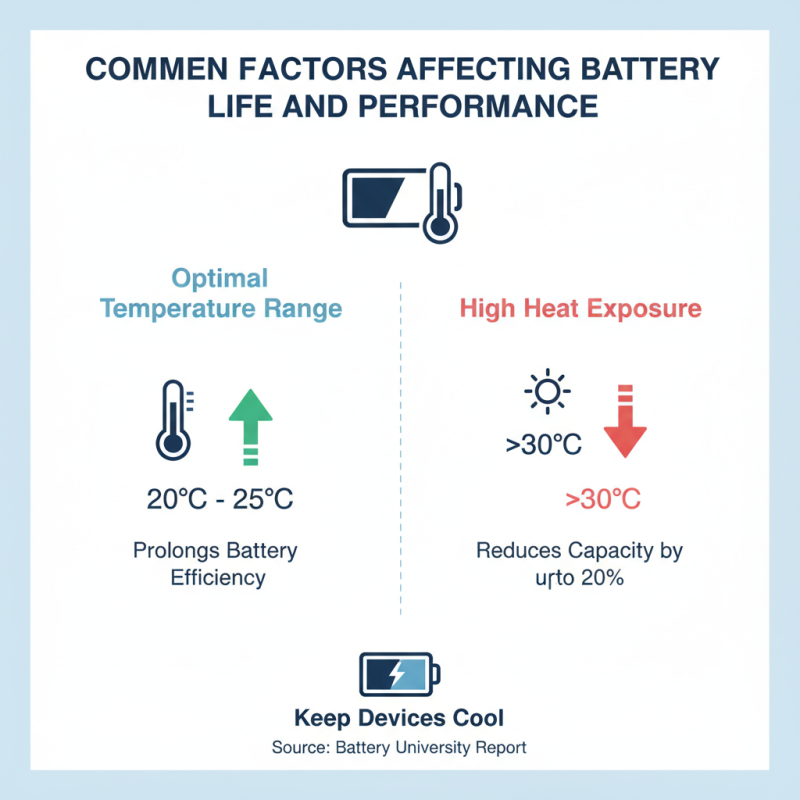
Battery life is influenced by various factors that many users overlook. One critical aspect is the operating temperature. Studies show that lithium-ion batteries, commonly used in devices, can lose up to 20% of their capacity when exposed to high heat. Keeping devices cool can prolong battery efficiency. A report from the Battery University highlights that optimal temperatures range from 20°C to 25°C. Many users unknowingly expose their devices to extreme conditions, impacting longevity.
Another major factor is charging habits. According to a survey by the International Energy Agency, up to 70% of users charge their devices to 100% and keep them plugged in. This practice can cause the battery to experience stress, leading to degradation over time. Experts suggest that maintaining a charge level between 20% and 80% can significantly enhance battery health. Regularly using the device rather than keeping it idle also supports better battery performance.
Lastly, background applications can drain battery life. Research indicates that running multiple applications simultaneously can reduce battery efficiency by as much as 30%. Monitoring applications actively running in the background can help conserve power. Reflecting on these factors is essential for improving our approach to device maintenance. Adapting simple habits can provide meaningful benefits in enhancing battery longevity.
Effective Tips to Maximize Battery Efficiency on Devices
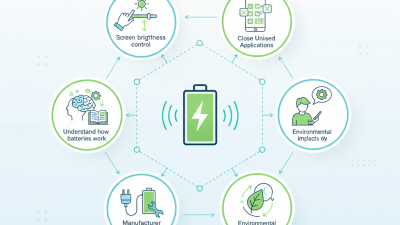
Battery efficiency is essential for maximizing the usability of any device. One effective way to improve battery performance is by adjusting screen brightness. Reducing brightness can lead to significant power savings. Moreover, using dark mode or night mode in apps helps too. These options require less energy, extending battery life with minimal effort.
Another strategy involves managing background applications. Many apps run in the background, draining power without your knowledge. Regularly checking which apps are consuming more battery can help you take control. Close unused apps and disable background syncing on less critical ones. This small change can make a noticeable difference.
Also, consider your connectivity settings. Wi-Fi and Bluetooth require energy. Disable them when not in use. Airplane mode is beneficial in areas with weak signals as it prevents constant searches for connections. Lastly, check for software updates. Improvements in efficiency are often included in these updates. Every little step counts in creating a habit of mindful device usage.
Best Practices for Charging and Storing Batteries Properly
Proper charging and storage practices can significantly enhance your device's battery longevity. According to a study by the Battery University, maintaining a charge level between 20% and 80% is ideal for lithium-ion batteries. Frequent full discharges can lead to a reduced capacity over time. Interestingly, many users tend to charge their devices overnight, which can keep batteries at full capacity longer than necessary, potentially shortening their lifespan.
When storing batteries, temperature plays a crucial role. Keeping batteries in a cool, dry place can slow down their degradation. The National Renewable Energy Laboratory suggests that storing them at 15°C (59°F) is optimal. Many users unknowingly store batteries in hot areas, like cars or direct sunlight, causing chemical reactions that lead to irreversible damage. Additionally, refreshing stored batteries every few months by briefly recharging can help maintain their health.
Lastly, be mindful of the charging equipment used. Using cheap or unverified chargers can pose risks. The Institute of Electrical and Electronics Engineers warns that low-quality chargers may lead to overheating. This can further jeopardize battery integrity. Simple adjustments, like avoiding full charges and monitoring storage conditions, can yield significant improvements in battery lifespan. The small changes can make a substantial difference over time.