2026 Best Battery Energy Storage System Type?

Choosing the 2026 best battery energy storage system requires more than comparing capacity or price. Project owners must examine duration, cycle life, safety controls, site temperature, and grid requirements. A two-hour lithium-ion system may suit solar shifting, while long-duration storage could better support evening demand and seasonal reliability.

The International Energy Agency reported in Batteries and Secure Energy Transitions that battery storage additions in the power sector more than doubled in 2023, reaching about 42 GW globally. BloombergNEF also identified falling battery pack prices and growing stationary-storage deployment as major market drivers in its 2024 Energy Storage System Cost Survey. These figures show strong momentum, but they do not identify one universal winner. Real projects behave differently.

“Batteries are going to play a critical role in clean energy transitions,” said Fatih Birol, Executive Director of the IEA. His statement reflects the broader system challenge. Battery energy must deliver dependable output, not merely attractive specifications. This guide compares lithium iron phosphate, nickel manganese cobalt, sodium-ion, flow, and emerging technologies through practical criteria. We consider performance in hot containers, maintenance access, fire detection, degradation, and replacement planning. Small details matter.

The answer may remain imperfect. Prices change quickly. Supply chains remain uneven. A technically excellent system can still fail financially if its operating model is weak. Our 2026 comparison therefore focuses on evidence, field experience, and transparent assumptions rather than confident predictions.
2026 Best Battery Energy Storage System Type?

Battery Energy Storage System Basics and Core Functions

In 2026, the best battery energy storage system is not one chemistry for every project. It depends on duration, cycling frequency, safety requirements, and grid conditions. Lithium iron phosphate systems suit frequent daily cycling because they offer strong thermal stability and long service life. High-energy chemistries may reduce footprint, but they require stricter thermal management.

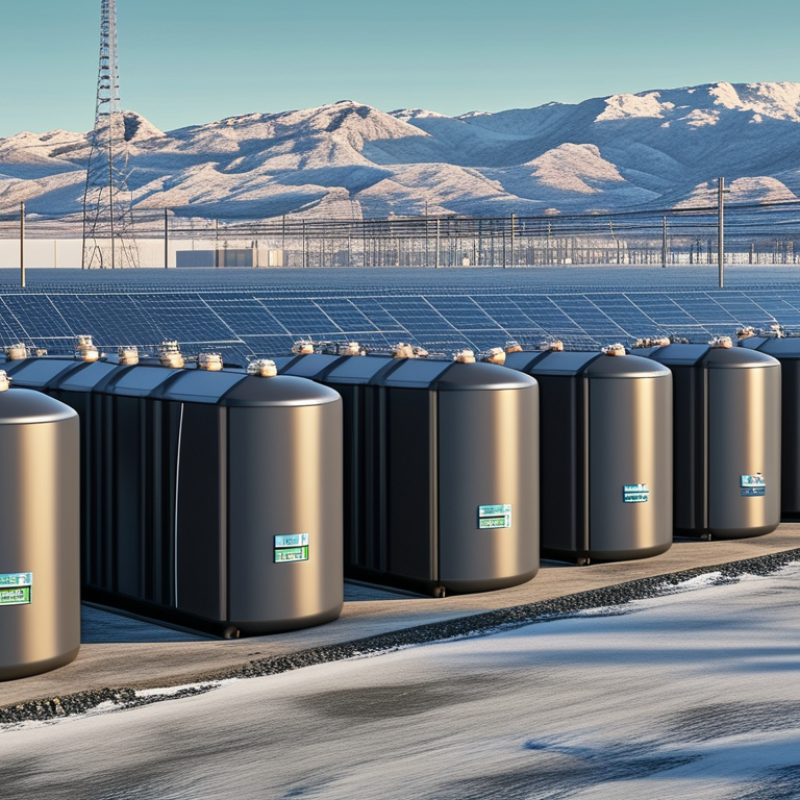
The basics are straightforward. A battery stores electricity as chemical energy and releases it through an inverter. The energy management system controls charging, dispatch, alarms, and state of charge. The battery management system monitors cell voltage, temperature, and balancing. Protection equipment isolates faults within milliseconds. Clear data matters.

Storage is scaling quickly. The International Energy Agency reported nearly 42 GW of new battery storage capacity in 2023, more than double the previous year. Its 2024 outlook indicates that global storage capacity must expand substantially by 2030 to support renewable integration. The U.S. National Renewable Energy Laboratory also shows that battery costs vary widely with duration, utilization, and replacement assumptions.

A four-hour system may support evening peaks. A two-hour system may respond better to fast frequency events. Longer-duration technologies can serve extended shortages, but their economics remain site-specific. This is where simple rankings fail. Engineers must inspect heat, humidity, grid congestion, maintenance access, and recycling plans. A spreadsheet can still miss real operating behavior. Performance guarantees need careful testing, not optimistic claims. (Sources: IEA, Batteries and Secure Energy Transitions, 2024; NREL, Annual Technology Baseline, 2024.)

Main Battery Technologies Used in Energy Storage Systems

2026 Best Battery Energy Storage System Type?
Main Battery Technologies Used in Energy Storage Systems

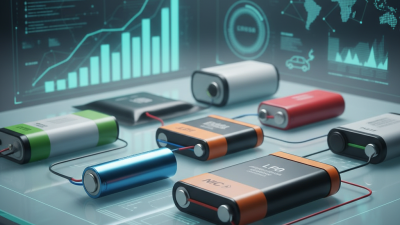
Battery choice depends on duty cycle, climate, space, and required response time. Lithium iron phosphate batteries suit many stationary systems because they offer strong thermal stability and long cycle life. They also tolerate frequent daily charging better than traditional lead-acid units. However, usable capacity falls in cold conditions without suitable heating and control.

Nickel manganese cobalt batteries provide high energy density when installation space is limited. Their performance can be impressive, but thermal management requires careful engineering and continuous monitoring. Lead-acid batteries remain practical for backup applications with limited cycling. They are familiar, recyclable, and often inexpensive. Yet, repeated deep discharge can shorten their service life quickly. Details matter.

Flow batteries use liquid electrolytes stored in separate tanks. This design can support long-duration storage and reduce some fire risks. It usually requires more space, pumps, and maintenance. Sodium-ion technology is gaining attention for stationary projects because it can reduce dependence on certain scarce materials. Its commercial maturity and energy density still need careful evaluation. It is not universal.

From field experience, the rated capacity rarely tells the whole story. Installation records should include round-trip efficiency, ambient temperature, degradation, and emergency shutdown tests. A system may perform well in a laboratory, then lose efficiency under dust, heat, or unstable grid conditions. Engineers should compare measured operating data, warranty assumptions, and local safety requirements before selecting a chemistry. That choice remains imperfect.

How to Compare Battery Storage System Types in 2026

In 2026, comparing battery storage system types requires more than checking capacity or advertised efficiency. The best system depends on daily cycling, backup needs, site temperature, and available space. Lithium iron phosphate batteries often suit homes and commercial sites needing strong safety and long cycle life. Nickel-based batteries can offer higher energy density, but they may require stricter thermal control. Sodium-ion systems are gaining attention for lower-cost applications, although their real-world availability and long-term service data remain uneven.

Start with usable capacity, not the headline number. Then compare round-trip efficiency, warranty conditions, degradation assumptions, installation requirements, and replacement costs. A system with 95% efficiency may perform poorly if it loses capacity quickly in heat. Check the battery management system, fire protection design, ventilation, and remote monitoring features. These details affect reliability more than a polished product sheet.

Long-duration storage needs another lens. Flow batteries can support extended discharge and frequent cycling, but their larger footprint may complicate installation. Lithium systems are usually more compact, yet their performance can decline under repeated high temperatures. My own comparison process would include one year of hourly load data, not a monthly average. That method is slower, but more honest. Still, predictions remain imperfect. Weather, tariff changes, and future charging habits can overturn a careful calculation. In some projects, the cheapest battery is not the lowest-cost system after installation, maintenance, and end-of-life handling are included.

Safety, Performance, Cost, and Environmental Considerations

2026 Best Battery Energy Storage System Type?

Safety, Performance, Cost, and Environmental Considerations

For most stationary projects in 2026, lithium iron phosphate (LFP) remains a practical choice. It offers strong thermal stability, long cycle life, and competitive pricing. However, LFP is not risk-free. Poor ventilation, damaged cells, or weak monitoring can still cause serious failures. The IEA’s Batteries and Secure Energy Transitions report recorded more than 40 GW of new battery storage additions in 2023, showing how quickly safety standards must evolve. NREL’s 2024 Annual Technology Baseline estimates lithium-ion systems can achieve about 85–90% round-trip efficiency. That performance matters when electricity prices change hourly.

Cost decisions need more than a low equipment quote. BloombergNEF reported an average lithium-ion pack price of 115 dollars per kWh in 2024, a 20% annual decline. Yet installation, land, cooling, fire protection, replacement, and grid-connection costs can reshape the final economics. Sodium-ion systems may reduce mineral pressure and perform better in cold conditions, but their lower energy density requires more space. Flow batteries can suit long-duration storage, although their pumps and larger footprints complicate deployment. No option wins everywhere.

Tips: Match the battery to the duty cycle, not the sales brochure. Request tested round-trip efficiency, degradation curves, emergency procedures, and recycling plans. Check performance after ten years. That detail is often missing. Environmental claims also deserve skepticism, because mining, transport, and end-of-life treatment remain important parts of the system’s footprint.

Choosing the Best Battery Energy Storage System for Different Needs

2026 Best Battery Energy Storage System Type?

Choosing the Best Battery Energy Storage System for Different Needs

In 2026, the best battery energy storage system will depend on the application, not a single technology. For homes, lithium iron phosphate systems often offer strong safety, long cycle life, and compact installation. A family with evening solar use may need 10–20 kWh, while a larger home may require more capacity. Start with the load.

Commercial facilities usually need modular systems with high discharge power, reliable thermal management, and clear expansion options. Warehouses can benefit from batteries that reduce peak demand during afternoon operation. Remote sites may prioritize weather resistance, simple maintenance, and dependable operation when technicians are far away. Flow batteries can suit longer-duration storage, but they need more space and careful system planning.

Technology is only one part of the decision. Check round-trip efficiency, usable capacity, inverter compatibility, emergency shutdown controls, fire protection, and independently verified test data. Ask how the system performs after several years, not only on its first day. Measure twice.

A low purchase price can hide installation limits, replacement costs, or weak monitoring software. I would also avoid choosing purely from advertised cycle numbers; real performance depends on temperature, charging habits, and operating depth. This judgment has limits. Local regulations, climate, grid conditions, and available service support can change the right answer. A qualified installer should review those details before final sizing.

2026 Best Battery Energy Storage System Type? - Choosing the Best Battery Energy Storage System for Different Needs

Battery Energy Storage System Type Typical Commercial Energy Density Typical Cycle Life Round-Trip Efficiency Recommended Discharge Duration Main Strengths Key Limitations Best-Fit Applications Overall Suitability in 2026
Lithium Iron Phosphate (LFP) 90–160 Wh/kg Approximately 3,000–8,000 cycles, depending on operating conditions and depth of discharge 88–95% 1–8 hours Strong thermal stability, long service life, good power capability, and a comparatively lower dependence on nickel and cobalt. Lower energy density than some nickel-based lithium-ion chemistries; performance and charging speed decrease in cold conditions. Utility-scale storage, renewable-energy integration, commercial and industrial peak shaving, microgrids, and residential systems Best general-purpose choice for most stationary energy storage projects
Nickel Manganese Cobalt (NMC) 150–250 Wh/kg Approximately 1,500–4,000 cycles 90–96% 1–4 hours High energy density, compact footprint, and strong performance where space and weight are important. Higher material cost exposure, more demanding thermal management, and generally shorter stationary-storage life than LFP. Space-constrained installations, mobile or hybrid systems, and applications requiring high energy capacity in a small enclosure Strong where footprint is more important than maximum cycle life
Sodium-Ion 90–160 Wh/kg Approximately 2,000–5,000 cycles, depending on cell design 85–92% 1–6 hours Uses more widely available sodium-based materials, offers good low-temperature potential, and can reduce dependence on lithium supply chains. Lower energy density and a less mature supply chain than established lithium-ion technologies; project availability may vary by region. Cost-sensitive stationary storage, cold-climate projects, backup power, and moderate-duration renewable-energy storage Promising alternative for selected stationary projects as manufacturing scales
Lead-Acid 30–50 Wh/kg Approximately 500–2,000 cycles, depending on battery type and depth of discharge 70–85% Minutes to 4 hours Mature technology, broad recyclability infrastructure, simple system design, and relatively low upfront cost. Low energy density, shorter cycle life, heavier equipment, slower charging, and reduced usable capacity when deeply discharged. Low-cost backup systems, telecommunications reserve power, emergency lighting, and applications with infrequent cycling Suitable for basic backup, but usually not the best choice for daily cycling
Vanadium Redox Flow Battery 10–35 Wh/kg Approximately 10,000–20,000 cycles 65–85% 4–12+ hours Very long cycle life, deep-discharge capability, low fire risk, and independent sizing of power and energy capacity. Low energy density, larger footprint, higher balance-of-system complexity, and higher initial cost for shorter-duration projects. Long-duration grid storage, renewable-energy shifting, utility microgrids, and projects with frequent deep cycling Excellent for long-duration applications where lifetime value outweighs compactness
Nickel-Based High-Temperature Battery 100–160 Wh/kg Approximately 3,000–5,000 cycles 75–90% 2–8 hours Robust operation in demanding environments, tolerance of deep cycling, and reduced reliance on external cooling in some designs. Requires elevated operating temperature, consumes energy for thermal management, and may have higher standby losses. Remote power systems, industrial sites, harsh environments, and installations where thermal robustness is valuable Niche option for specialized industrial and remote applications
Solid-State Battery Development target: above 250 Wh/kg Not yet standardized for large-scale commercial stationary deployment Potentially above 90% 1–8 hours, subject to system design Potential for higher energy density and improved safety through the use of solid electrolytes. Large-scale manufacturing, durability, cost, and field-validation challenges remain; commercial specifications vary widely. Future high-density storage, premium backup systems, and applications with strict space or safety requirements High-potential technology, but not yet the default choice for most 2026 projects

Note: Values are typical industry ranges for commercially discussed systems and can vary with cell chemistry, operating temperature, depth of discharge, charge and discharge rate, enclosure design, and project controls. System-level efficiency and lifetime are normally lower than laboratory cell-level specifications.