What is Recessed Light and How to Choose the Right One?
Recessed Lighting is becoming increasingly popular in modern homes. According to lighting designer John Smith, "The right recessed light can transform any space." This statement highlights the importance of choosing quality fixtures that suit individual needs. Selecting the perfect recessed light involves various factors, including brightness, beam angle, and color temperature.
Many homeowners struggle to understand these elements. It’s essential to consider how each component affects the overall ambiance of a room. For example, a warm light can create a cozy atmosphere, while a cooler tone may feel more clinical. A wrong choice here can lead to disappointment.
The right recessed light can enhance functionality and style. However, improper installation or unsuitable options can become frustrating. Focusing on reliable sources and expert advice can lead to better decisions. Understanding both the benefits and potential pitfalls of recessed lighting is crucial for making an informed choice.
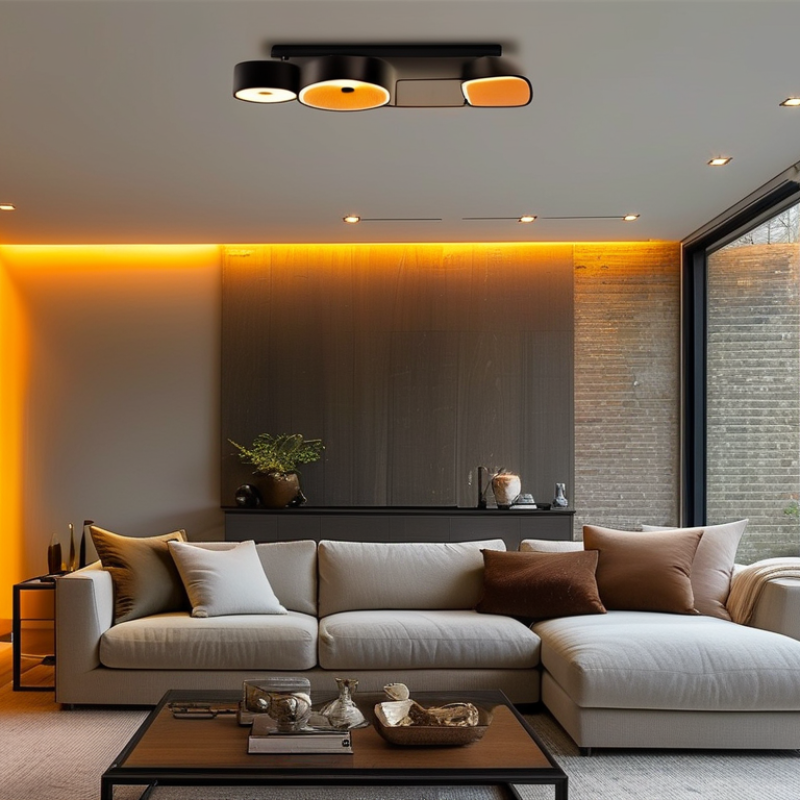
What Are Recessed Lights and Their Common Uses?
Recessed lights, often called can lights, are popular for their sleek look and versatility. They are installed in ceilings, providing a clean, modern aesthetic. These lights are commonly used in homes and commercial spaces alike. According to a study by the American Lighting Association, demand for recessed lighting has increased by 35% over the past five years. This trend indicates that more homeowners are seeking stylish yet functional lighting solutions.
One of the frequent applications of recessed lights is in kitchens and living rooms. They can highlight architectural features and create an inviting atmosphere. Many interior designers advocate using multiple fixtures to ensure even light distribution. The right placement can transform a room, making it feel spacious and welcoming. However, improper installation can lead to uneven lighting, creating dark spots. It's crucial to consider the size and layout of the space when selecting the number of fixtures.
In commercial settings, recessed lighting is used in office spaces and retail stores to enhance product visibility. Research shows that well-lit environments can increase sales by up to 20%. Nevertheless, selecting the right bulb type and color temperature is essential. Cool white light can enhance focus, while warmer tones can create a cozy ambiance. It's essential to reflect on individual needs and the space's purpose before making a final decision on recessed lighting.
Types of Recessed Lights: A Comprehensive Overview
When it comes to recessed lights, understanding the types available can significantly affect your home’s ambiance. There are two main categories to consider: new construction and remodel can lights. New construction fixtures are ideal for homes under renovation. They require framing and can be difficult to install in finished ceilings. Remodel fixtures, on the other hand, are designed for easy installation in existing spaces.
Another important type to consider is the trim options. The trim can affect the light distribution and style. Baffle trims control glare and enhance light diffusion. Reflector trims can produce strong illumination, making them suitable for task lighting. Adjustable trims are versatile and can direct light where needed. Each trim type offers unique advantages based on specific needs.
Think about the bulb types as well. LED bulbs are popular for their energy efficiency. However, some still prefer incandescent bulbs for their warm light. It’s essential to reflect on what mood you want to create. Experimenting with various options can lead to surprising results. Balancing functionality and aesthetics can sometimes be challenging, but finding the right mix will ultimately enhance your space.
Factors to Consider When Choosing Recessed Lights
Choosing the right recessed lights is essential for enhancing your space. One important factor is the ceiling height. Lower ceilings often require flush-mounted options to prevent the room from feeling cramped. You must also consider the size and beam angle of the lights. Wider beams illuminate more area but can create harsh shadows. Narrow beams are perfect for highlighting specific features, like artwork or architectural details.
Another aspect to think about is the color temperature. Warmer tones create a cozy atmosphere, while cooler tones feel more modern and vibrant. Room function plays a big role here. For example, a kitchen or office may benefit from bright, cool lighting. However, living rooms and bedrooms should have warmer options for comfort. Additionally, think about the dimmability of your lights. Not all recessed lights offer this feature, yet it's valuable for setting the right mood.
Don't overlook the type of trim as well. The trim influences the light’s direction and aesthetic. Reflective trims enhance brightness but can create glare. Baffle trims reduce glare and are ideal for comfortable settings. When selecting, visualize how these factors come together in your space. Test layouts and configurations before committing. It’s essential to call attention to these details without rushing your decision.
What is Recessed Light and How to Choose the Right One? - Factors to Consider When Choosing Recessed Lights
| Factor | Description | Considerations |
| Light Bulb Type | Different types include LED, halogen, and incandescent. | LEDs are energy-efficient, while halogens offer warm light. |
| Trim Style | Options include baffle, reflector, and adjustable trims. | Choose based on the desired light distribution and room aesthetics. |
| Color Temperature | Measured in Kelvins (K); ranges from warm to cool light. | Warm light (2700K) is cozy, while cool light (5000K) is brighter. |
| Wattage | Refers to the energy consumption of the bulb. | Higher wattage usually means more brightness; choose based on room size. |
| Recessed Can Size | Common sizes include 4-inch, 6-inch, and 8-inch diameters. | Larger cans can accommodate larger bulbs for more light. |
| Dimming Capability | Compatibility with dimmer switches for adjustable brightness. | Verify if the lights can dim and that you have compatible dimmers. |
Installation Tips for Recessed Lighting Fixtures
Installing recessed lighting can dramatically enhance a space. It offers a sleek appearance and can provide both ambient and task lighting. Choosing the right position for the fixtures is crucial. Make sure to consider ceiling height and room size. This will ensure even light distribution.
When planning your installation, measure the height of your ceiling. For 8-foot ceilings, place lights about 4-6 feet apart. In larger rooms, increase that distance to ensure proper illumination. Do not forget to account for furniture placement. Items like sofas or bookshelves can block light, creating uneven spots.
Wiring is another important aspect. Familiarize yourself with your home's electrical system before starting. If you're unsure, consult a professional. Safety comes first. Test the existing circuits to avoid overload. As you drill and cut holes, remember to wear appropriate safety gear. It’s easy to overlook this step in the excitement of a new project.
Maintenance and Safety Guidelines for Recessed Lighting
When installing recessed lighting, maintenance and safety are crucial. Regularly check the fixtures for dust and debris. A clean light fixture not only improves brightness but also reduces fire risks. Consider using a damp cloth to wipe away dirt. Ensure the power is off during cleaning. This step is often overlooked, yet it can prevent accidents.
Another essential aspect is the choice of bulbs. LED bulbs are popular for recessed lighting due to their efficiency and longevity. However, ensure they are compatible with your fixtures. This helps avoid flickering or dimming issues. Pay attention to the wattage recommendations. Overloading circuits can lead to serious problems.
Always keep an eye on the wiring. Look for any signs of wear or damage. If you notice any frayed wires, it’s best to consult a professional. Safety should never be compromised. Understand the local electrical codes as well. They guide proper installation and maintenance practices. Regular inspections can save you from larger problems down the line.