Why Choose a Commercial Solar Power System for Your Business?
Businesses today face rising energy costs and increasing pressure to adopt sustainable practices. A Commercial Solar Power System can address these challenges effectively. According to the U.S. Department of Energy, the solar market has grown by over 20% annually. This growth indicates a shift towards renewable energy in industries of all sizes.
Implementing a solar power system not only helps reduce operational costs but also aligns with environmental goals. Studies show that companies using solar energy can save between 20% and 50% on their electricity bills. However, the transition may not be seamless for every business. Initial costs, installation complexities, and ongoing maintenance can pose challenges.
Despite these hurdles, the benefits of a Commercial Solar Power System often outweigh the drawbacks. The potential for energy independence and reduced carbon footprint highlights a strategic shift in modern business operations. As firms strive to enhance their corporate social responsibility, investing in solar energy emerges as a vital choice.
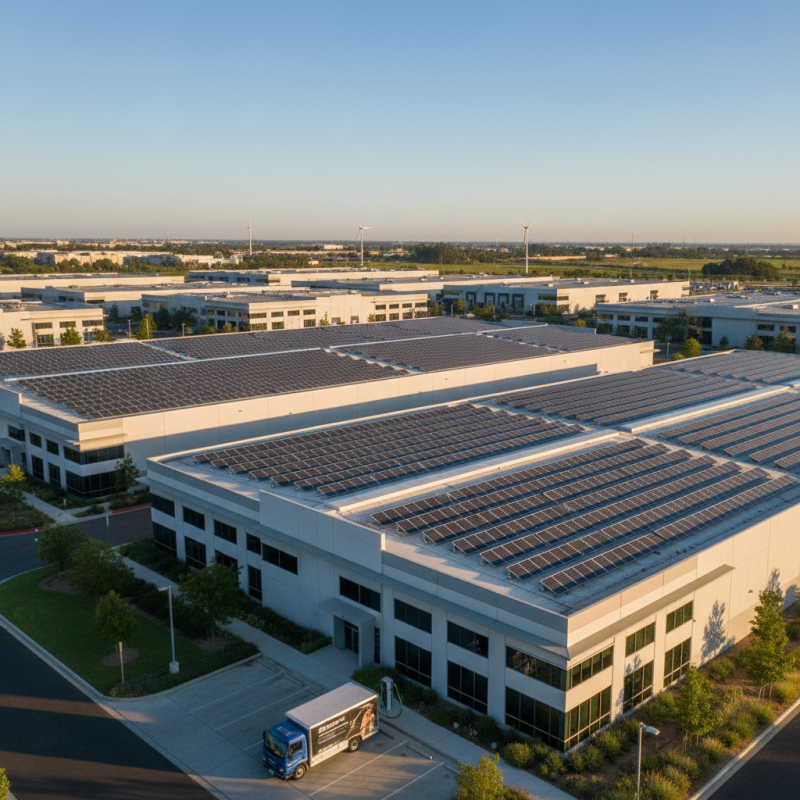
Benefits of Commercial Solar Power Systems for Businesses
Commercial solar power systems offer numerous benefits for businesses. They significantly reduce energy costs. Switching to solar energy can lead to predictable and stable energy prices. This is especially beneficial in today’s volatile energy market.
Adopting solar power improves a company’s reputation. It demonstrates a commitment to sustainability. Many consumers prefer to support eco-friendly businesses. This can enhance customer loyalty and attract new clients. Companies can also benefit from tax incentives and rebates, making the transition more attractive.
Tips: Evaluate your energy needs first. This ensures that you choose the right system size. Consider local regulations and incentives when planning your installation. Financing options vary, so research thoroughly. Always seek expert advice to navigate the complexities of solar energy.
Investing in a solar power system can be daunting. It requires upfront costs and long-term planning. However, the potential savings and environmental benefits often outweigh the initial challenges. Remember to monitor your system's performance to maximize efficiency. A well-maintained solar system can provide substantial returns over time.
Cost Savings and Return on Investment with Solar Energy
Adopting a commercial solar power system can significantly impact a business's finances. According to the Solar Energy Industries Association, the cost of solar panels has dropped by over 70% in the last decade. This decline makes solar energy a feasible option for many businesses seeking cost savings. Companies can save up to 75% on their energy bills by switching to solar. These savings can bolster budgets, allowing investment in growth.
The return on investment for solar energy is compelling. A report from the National Renewable Energy Laboratory indicates that businesses achieve a payback period of about 5 to 7 years on average. After this period, the solar system continues to generate savings for years. Furthermore, the lifespan of a solar panel can exceed 25 years, offering ongoing financial benefits.
Despite these advantages, some businesses may hesitate to switch. The initial investment may seem high. Additionally, maintenance costs could arise, although solar systems typically require minimal upkeep. Understanding local incentives is also crucial. Incentives can substantially reduce costs, creating an even stronger case for commercial solar energy.
Environmental Impact and Sustainability of Solar Power
Solar power stands out as a sustainable energy solution for businesses today. Its environmental impact is significant. According to the U.S. Department of Energy, solar power can reduce carbon emissions by up to 90%. This contributes to tackling climate change. Switching to solar energy also conserves water. Traditional energy production often requires vast amounts of water, whereas solar systems use minimal water for maintenance.
The longevity of solar panels adds to their sustainability. Most systems can operate efficiently for 25 years or more. However, they require careful disposal at the end of their life cycle. Recycling programs are still evolving but need improvement. Some panels contain materials that can be harmful if not handled properly.
Investing in solar energy shows a commitment to environmental stewardship. A report by the International Renewable Energy Agency reveals that solar power could provide up to 25% of the world's electricity by 2050. While the transition to solar may present challenges, its potential for long-term sustainability is clear. Businesses adopting these systems can play a key role in shaping a greener future.
Government Incentives and Programs for Commercial Solar Adoption
Investing in a commercial solar power system can be advantageous for businesses seeking to reduce energy costs and carbon footprints. One major benefit is the availability of government incentives. Various programs exist that can significantly lower the initial investment. Grants and tax credits can increase the system's affordability. These incentives vary by state and can change frequently, so staying informed is vital.
Tips: Always check local government websites for the latest updates on incentives. Engaging with energy consultants can also provide insights into maximizing benefits.
Another crucial aspect is understanding how these incentives work in practice. Eligibility varies based on the size of the system and the business type. Some businesses may find themselves overlooking potential benefits simply due to lack of awareness. Doing thorough research can help identify available programs tailored to specific business needs.
Tips: Consult with professionals who specialize in commercial solar systems. They can guide you in applying for financial incentives effectively.
Choosing the Right Commercial Solar Provider and System Design
When choosing a commercial solar provider, experience matters. You want a company that understands the specific energy needs of your business. Look for a provider with a solid track record in commercial installations. They should have knowledge of local regulations and incentives. Such expertise ensures your system meets all necessary standards.
System design requires careful consideration. Each business has unique energy demands. A tailored approach ensures maximum efficiency and financial savings. The installation process can be complex. However, a good provider will guide you through each step. They should communicate clearly and address your questions.
Reflect on your choices as you decide. Not all providers are created equal. Research multiple options and seek testimonials from other businesses. Make sure your provider offers ongoing support and maintenance. This is crucial for your system's longevity and performance. Such considerations will help secure a reliable and efficient commercial solar power system.