How to Choose the Right Lithium Battery Pack for Your Needs?
Choosing the right lithium battery pack is crucial for various applications. Whether for a DIY project, an electric vehicle, or renewable energy storage, this decision impacts performance and efficiency. The market offers a wide range of options. It can be overwhelming to navigate through specifications and types.
Understanding your specific needs is essential. Different devices require various power outputs and sizes. Researching the chemistry of lithium batteries can reveal strengths and weaknesses, such as energy density and cycle life. Identify the balance between cost and quality that fits your budget.
Even experienced users sometimes choose the wrong battery pack. This can lead to inefficiency and unnecessary expenses. Take time to read reviews and consult experts. A well-informed choice can enhance your device's performance and lifespan. Always prioritize reliability when selecting a lithium battery pack for your needs.
Understanding Lithium Battery Chemistry and Types
Understanding lithium battery chemistry is crucial for making an informed decision when selecting a battery pack.
Lithium-ion and lithium polymer are the primary types, each with unique characteristics.
Lithium-ion batteries have a higher energy density, making them ideal for devices that require long-lasting power. They’re commonly used in smartphones and laptops.
On the other hand, lithium polymer batteries are lighter and can be manufactured in various shapes, which allows more design flexibility.
The choice of battery type relies on your application. If you need something compact for lightweight devices, lithium polymer may be your best bet.
It can be frustrating to encounter compatibility issues. Conversely, lithium-ion provides stability and a longer lifespan, but it’s bulkier.
These differences can impact performance significantly.
In practice, consider factors like discharge rates and cycle life. A battery's capacity can change over time, which might affect its performance under heavy usage.
This variability is essential to acknowledge. Understanding these aspects can save you time and money in the long run.
Choosing the right battery is more than just a simple decision; it involves weighing multiple factors and potential trade-offs.
Key Factors to Consider When Selecting a Lithium Battery Pack
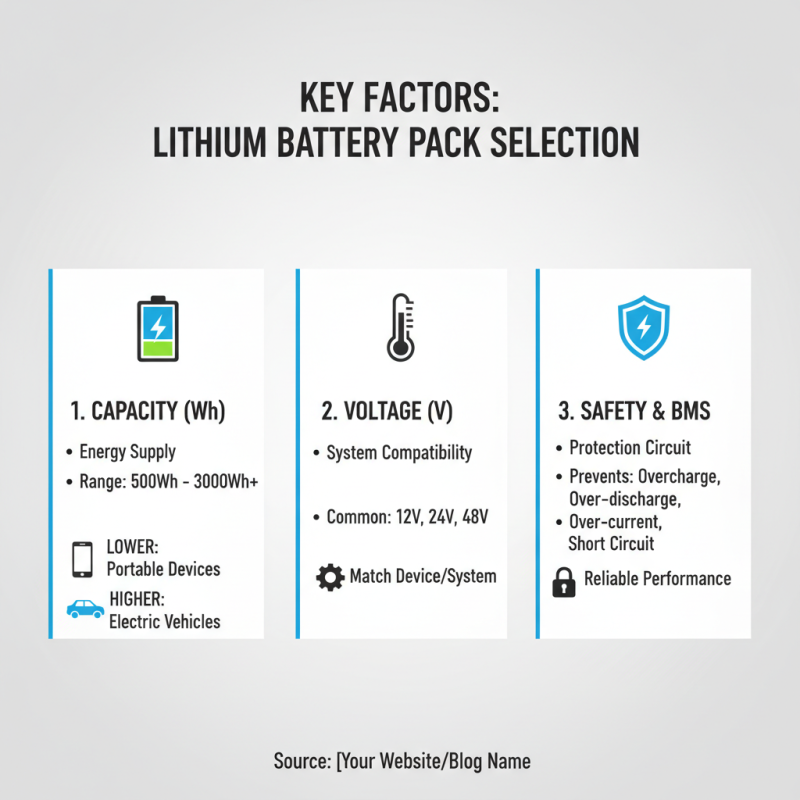
When choosing a lithium battery pack, several key factors demand careful consideration. Capacity is a primary concern, as it directly affects the energy supply. A typical lithium pack may range from 500Wh to 3000Wh. Understanding your energy requirements is crucial. For example, if you need a battery for a portable device, a lower capacity may suffice. Conversely, larger applications, such as electric vehicles, necessitate higher capacity batteries.
Another critical factor is the discharge rate. This rate determines how fast the battery can release stored energy. For instance, high-performance devices may require a discharge rate of 10C or higher. If the battery cannot meet this demand, performance will suffer. Additionally, battery cycles—essentially the number of times a battery can be charged and discharged—affect longevity. A battery with 300-500 cycles might suffice for casual use, but frequent users should seek higher cycle ratings.
Finally, safety features are paramount in battery selection. Research shows that batteries with built-in protection circuits significantly reduce risks of overheating or short-circuiting. The industry's standard is to look for comprehensive safety certifications, as these indicate reliability. Each of these factors plays a vital role in selecting the right lithium battery pack to meet specific needs.
Battery Capacity: How to Match It with Your Energy Needs
When selecting a lithium battery pack, understanding battery capacity is crucial. Battery capacity is usually measured in ampere-hours (Ah). This figure indicates how long a battery can deliver a certain amount of current. If your needs are high, you'll require a higher capacity. However, bigger isn't always better. Oversizing your battery can lead to unnecessary costs and weight.
Consider your energy consumption. Estimate how many devices you will power and their total wattage. This assessment helps align your battery's capacity with your needs. If you're using multiple devices simultaneously, factor in peak demands. Unfortunately, many overlook this step, leading to insufficient power during critical moments. It can be frustrating when your battery fails to keep up.
Another aspect to ponder is the cycle life. A higher capacity battery may not always mean better longevity. Understanding how often you'll recharge and discharge is key. You might discover that a smaller capacity works better with less frequent use. This insight can save you money, as smaller, efficient batteries can perform admirably with the right use case.
Discharge Rates and Cycle Life: Evaluating Performance Specifications
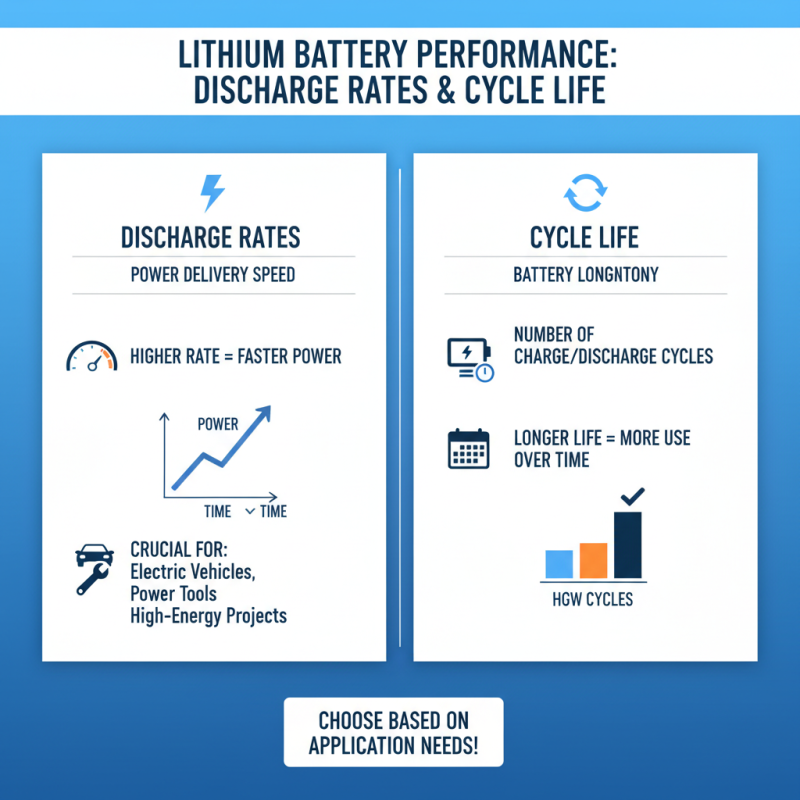
When selecting a lithium battery pack, consider discharge rates and cycle life. Discharge rates indicate how quickly a battery can provide energy. A higher rate means the battery delivers power faster, crucial for applications like electric vehicles or power tools. If your projects require bursts of high energy, look for packs with higher discharge rates.
Cycle life is equally important. This term refers to how many charge and discharge cycles a battery can endure before its capacity diminishes. A battery with a long cycle life will last longer and be more cost-effective over time. Evaluate the specifications carefully. Some batteries may have high discharge rates but short cycle lives. This can lead to frequent replacements, which can be frustrating and costly.
Finding balance is key. A battery that excels in one area may fall short in another. Assess your specific requirements. Think about how often you’ll use the battery and the kind of energy demands you have. Be prepared to weigh these factors against each other. Explore reliable resources to enhance your understanding, as the right choice will greatly impact your performance and satisfaction.
Safety Features and Certifications for Reliable Lithium Batteries
When selecting a lithium battery pack, safety features are paramount. Look for thermal management systems that prevent overheating. Batteries should also include protection circuits against overcharging and short circuits. These features enhance reliability and longevity. Certification from recognized organizations guarantees adherence to safety standards. Check for UL or CE certifications to ensure quality.
It's important to be aware of the potential risks associated with lithium batteries. Inadequate safety measures can lead to hazardous situations. Buyers should also consider the environmental impact of disposal and recycling. Researching manufacturers' practices can provide insight into their commitment to safety. Not every battery on the market meets rigorous safety criteria, so due diligence is essential.
Understanding safety certifications may seem complex. However, investing time in this research pays off. The right battery pack can significantly impact performance, safety, and sustainability. Avoid rushing through the selection process. Thoughtful decisions lead to better outcomes in the long run.